AI-Powered Cloud Cost Optimization: How Machine Learning Cuts AWS Bills
Cloud spending has a gravity problem. The moment you onboard a new team, launch a product, or scale for a traffic spike, costs climb - and they rarely come back down on their own. Traditional cost management relies on engineers manually reviewing dashboards, which means insights are delayed, opportunities are missed, and optimization work never gets prioritized above feature development.
AI-powered cloud cost optimization changes the equation. Instead of waiting for humans to spot patterns, machine learning continuously analyzes your AWS environment, identifies waste, and generates recommendations before your next billing cycle.
What "AI-Powered" Actually Means Here
The term gets overused, but in cloud cost optimization it has specific meaning. AI refers to:
- Anomaly detection: Models trained on historical spend patterns that flag unusual cost spikes in near real-time
- Right-sizing recommendations: ML analysis of CPU, memory, and network utilization to suggest the correct instance type
- Predictive forecasting: Time-series models that project future spend based on current trends
- Intelligent follow-ups: Natural language generation that turns raw findings into actionable messages for engineering teams
The key difference from rule-based systems is adaptability. A rule might say "flag instances under 10% CPU." An ML model learns that your batch processing servers legitimately run at 5% CPU for 22 hours a day - and only flags the truly anomalous cases.
Where Cloud Waste Actually Comes From
| Waste Category | Typical Share of AWS Bill | AI Detection Method |
|---|---|---|
| Idle/stopped EC2 instances | 15–25% | Utilization time-series analysis |
| Over-provisioned instances | 20–30% | Multi-metric right-sizing |
| Unattached EBS volumes | 5–10% | Inventory correlation |
| Unused Elastic IPs | 1–3% | Resource association checks |
| Suboptimal S3 storage classes | 5–15% | Access pattern analysis |
| Missing Reserved Instances | 10–20% | Commitment coverage modeling |
| Over-retained snapshots | 3–8% | Age and reference analysis |
The total opportunity often exceeds 40% of monthly spend in organizations that haven't run a formal optimization program.
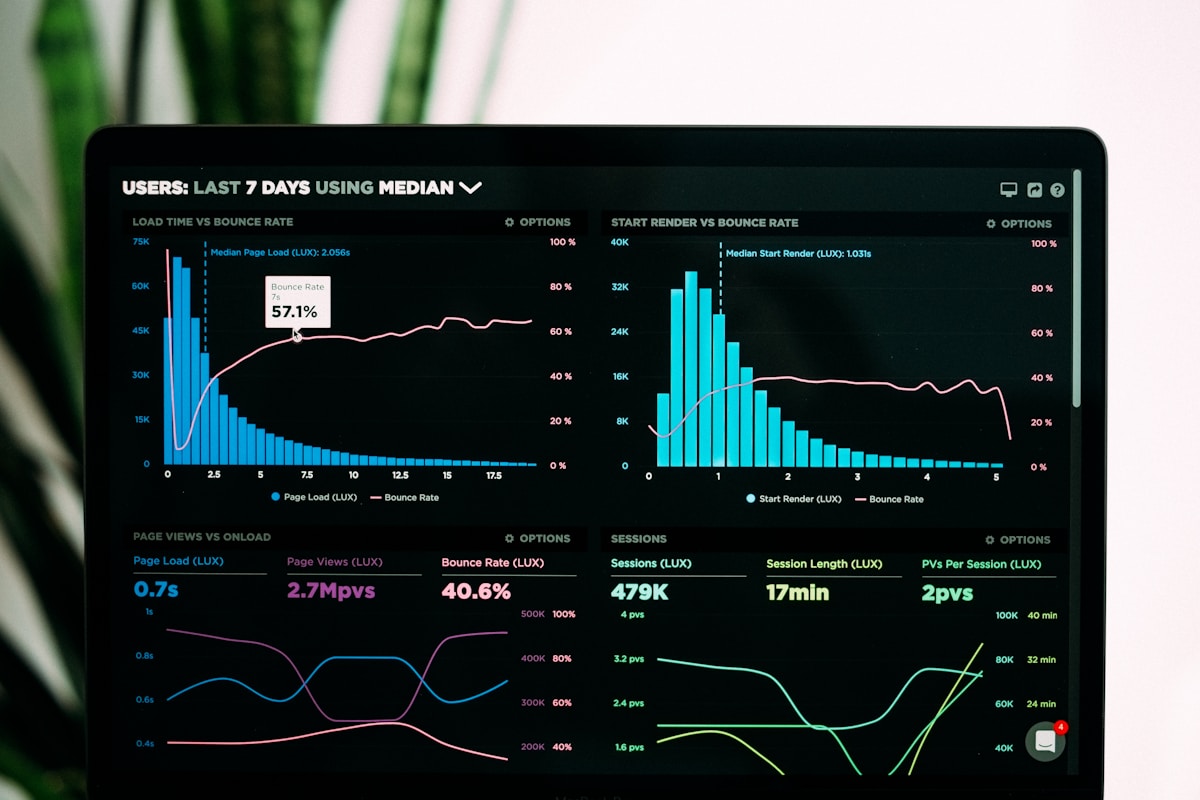
The Lifecycle of an AI-Driven Recommendation
Getting a recommendation is only step one. The harder problem is ensuring it gets implemented. This is where platforms like Dedups.ai go beyond simple scanning.
Step 1: Continuous Discovery
Dedups.ai connects to your AWS accounts via IAM role assumption and continuously inventories resources across regions - EC2, RDS, S3, EBS, ElastiCache, Lambda, and more. Unlike manual reviews that happen quarterly, this runs on a schedule so nothing drifts undetected.
Step 2: ML Analysis and Scoring
Each resource gets scored based on utilization metrics from CloudWatch, cost data from Cost Explorer, and contextual metadata like tags and account ownership. The scoring model weighs potential savings against implementation risk.
Step 3: Intelligent Follow-up
Dedups.ai includes an AI-powered follow-up manager that routes recommendations to the right team via Slack, Jira, or email - tracks whether action was taken, and escalates automatically if a high-value recommendation sits unaddressed.
Step 4: Tracking Realized Savings
Every completed recommendation is tracked against actual billing data so you can measure real dollar impact - not just theoretical savings.
Right-Sizing: The Highest-Leverage Opportunity
EC2 right-sizing consistently delivers the largest returns. The challenge is that AWS offers hundreds of instance types, and choosing the right one requires analyzing CPU, memory, network throughput, and storage I/O simultaneously.
AI models evaluate these dimensions together and recommend not just a smaller instance, but the correct instance family. Sometimes the answer isn't "use a smaller m5.xlarge" but "switch from m5 to t3 for this burstable workload."
Dedups.ai handles this nuance by factoring in workload patterns, not just peak or average utilization. A development server that runs at 80% CPU for 10 minutes every hour during CI builds looks very different from a production API server with sustained 80% CPU.
Reserved Instances and Savings Plans
Purchasing RIs or Savings Plans without a model is essentially guessing. Buy too much and you're paying for unused capacity. Buy too little and you're leaving 30–60% savings on the table.
AI-powered platforms model your historical usage, project future demand, and recommend the optimal commitment mix - including which term length and payment option maximizes your net present value.
What to Expect
Most organizations see measurable results within 30 days. Initial scans typically surface 15–40% of monthly spend as optimization opportunities. AI prioritizes by potential impact so your team works on the highest-value items first.
Ready to Get Started?
If your AWS bill has been climbing faster than your team can review it, AI-powered cost optimization is the practical answer. Dedups.ai provides continuous cost discovery, ML-driven recommendations, and an intelligent follow-up system that ensures savings opportunities never get lost in engineering backlogs.